Climbing the Lobhorn: A Day on the Rock — and What It Taught Me
A personal story of flying from the Schilthorn, climbing the Lobhörner above the Lauterbrunnen Valley, and the long walk home in the dark — plus the lessons I now take into every mountain day.
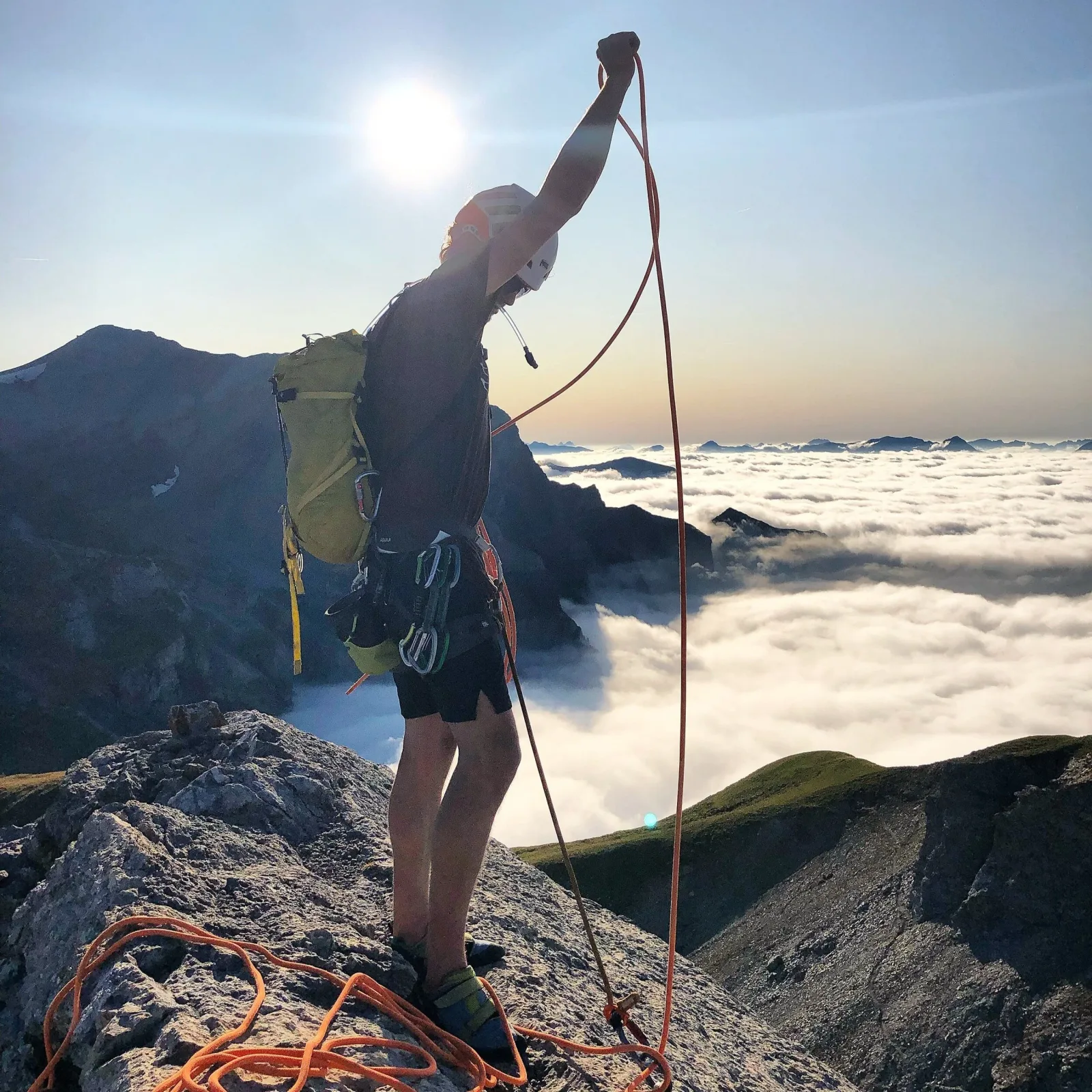
The Lobhorn (2,566 m), or the Lobhörner in German, is one of those rocks you can't stop looking at. It juts out of the ridge above the Lauterbrunnen Valley, surrounded by some of the most beautiful terrain in the region.
Like a lot of people, I'd always been drawn to it. We'd been past it twice before on ski tours, and one autumn we decided: this is the year we climb it.
This is the story of that day — and what I learned from it.
Just so you know: the Lobhorn is an alpine multi-pitch climb that needs real climbing, rope-work and route-finding skills. This is a personal story, not a route guide or a beginner's outing.
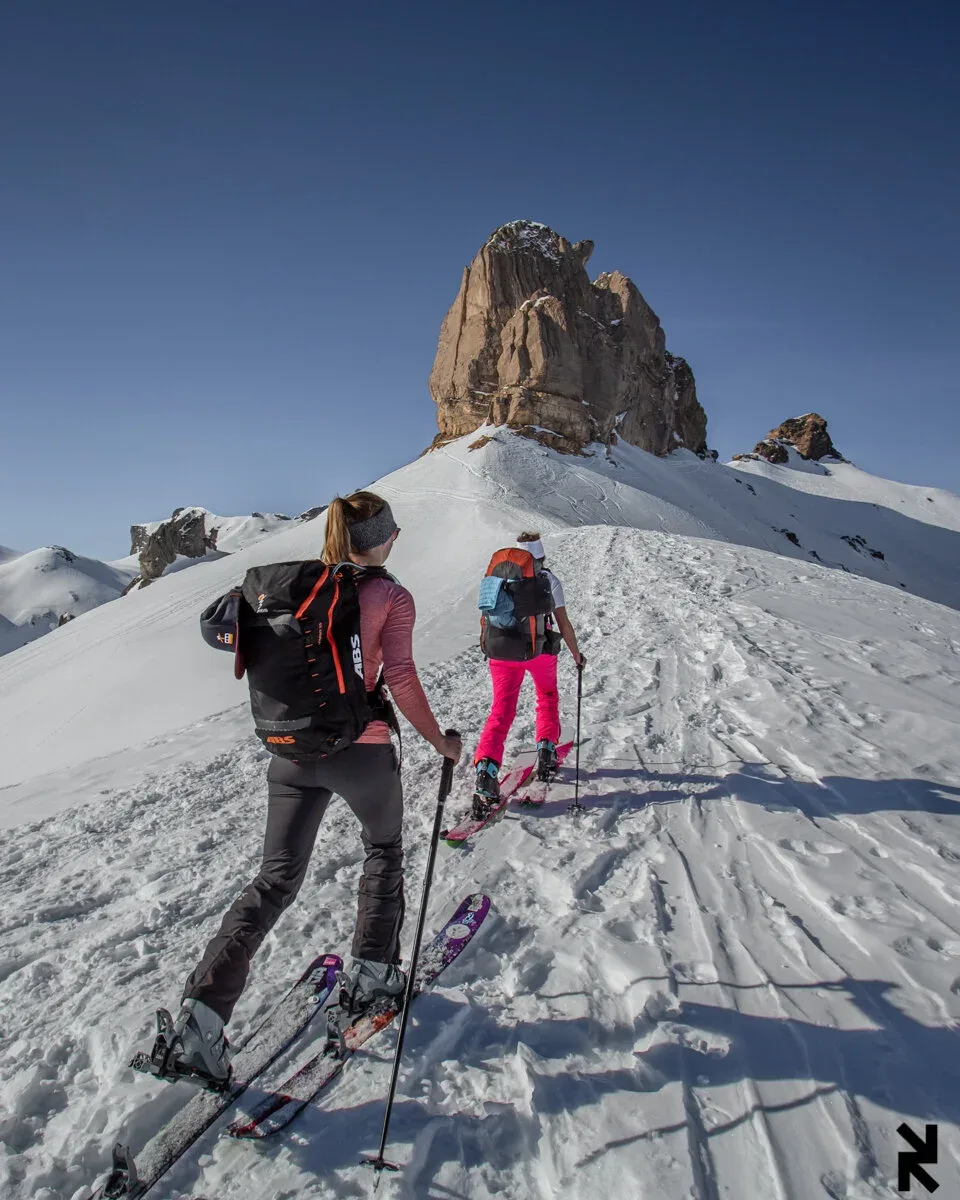
The plan
The plan sounded simple: paraglide from the Schilthorn (our local mountain), hike to the Lobhorn, climb it, then take a relaxing 10-minute flight home. How hard could it be?
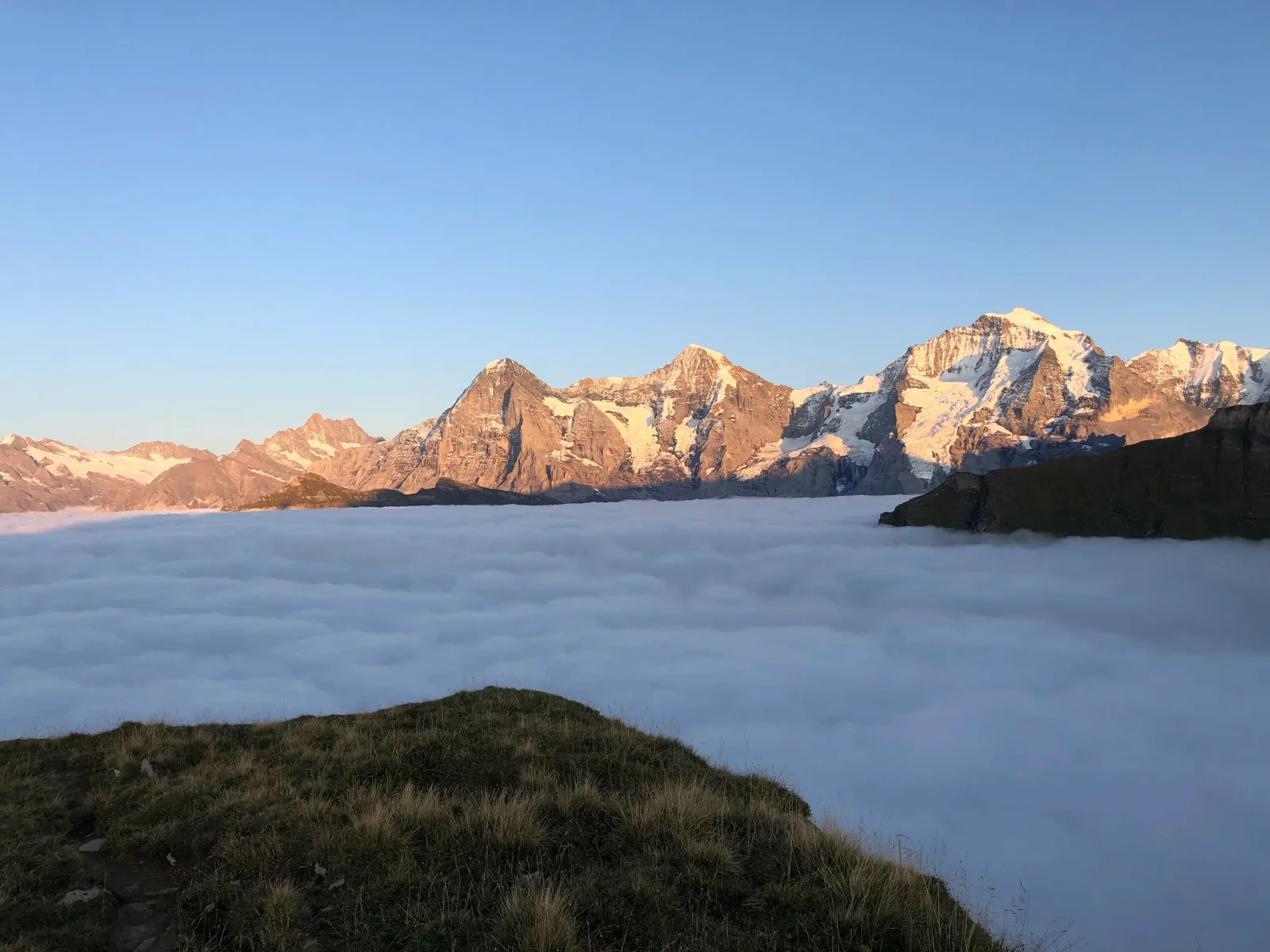
The morning of the climb, Mürren was wrapped in fog. But when we reached the Schilthorn summit (2,970 m) by cable car, we realised it was just an inversion — the clouds were sitting below us, and our flight, hike and climb would all be in sunshine.
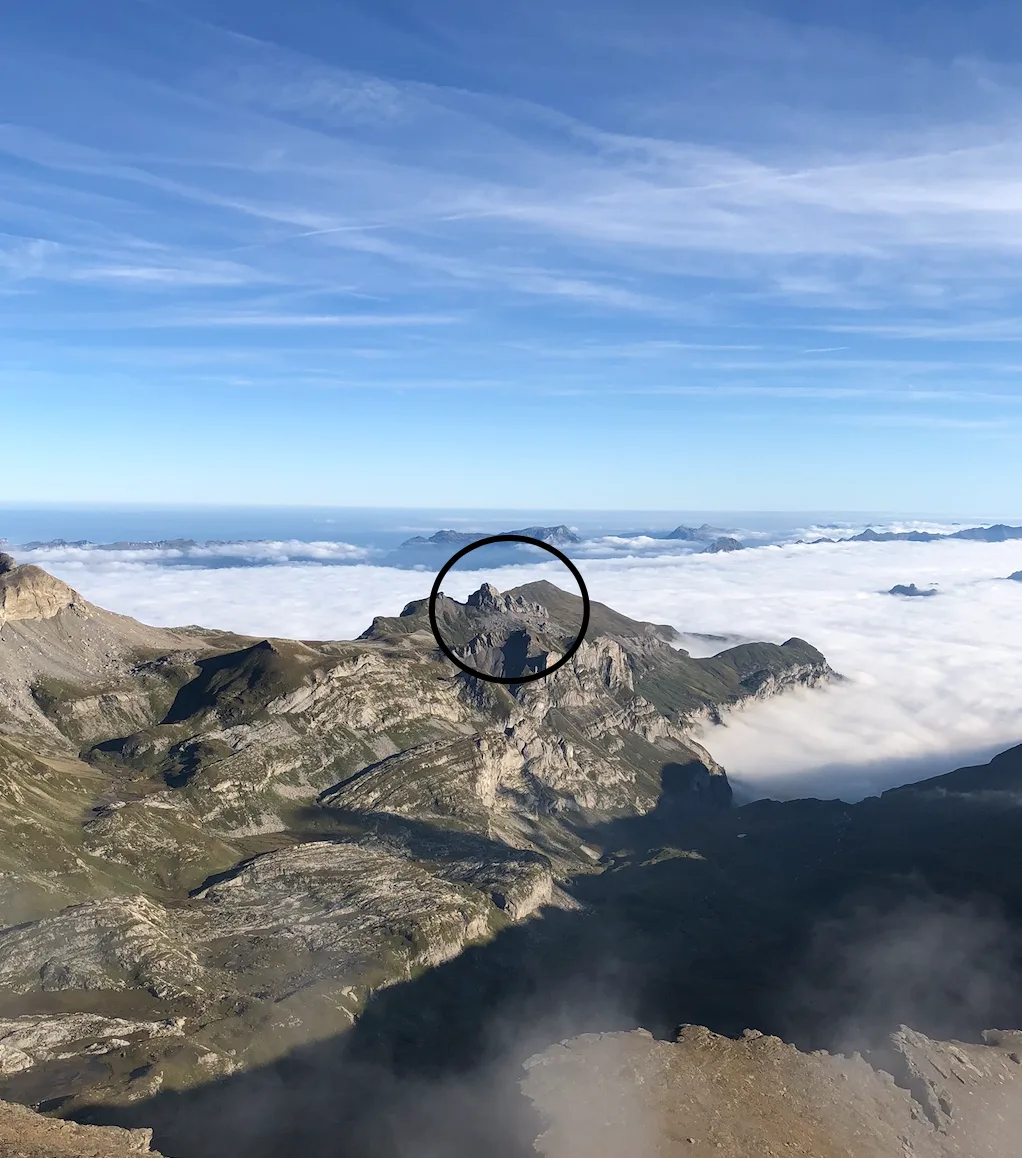
After a 30-minute walk along the ridge from the summit, we found a good west-facing take-off. The wind was calm. What a start.
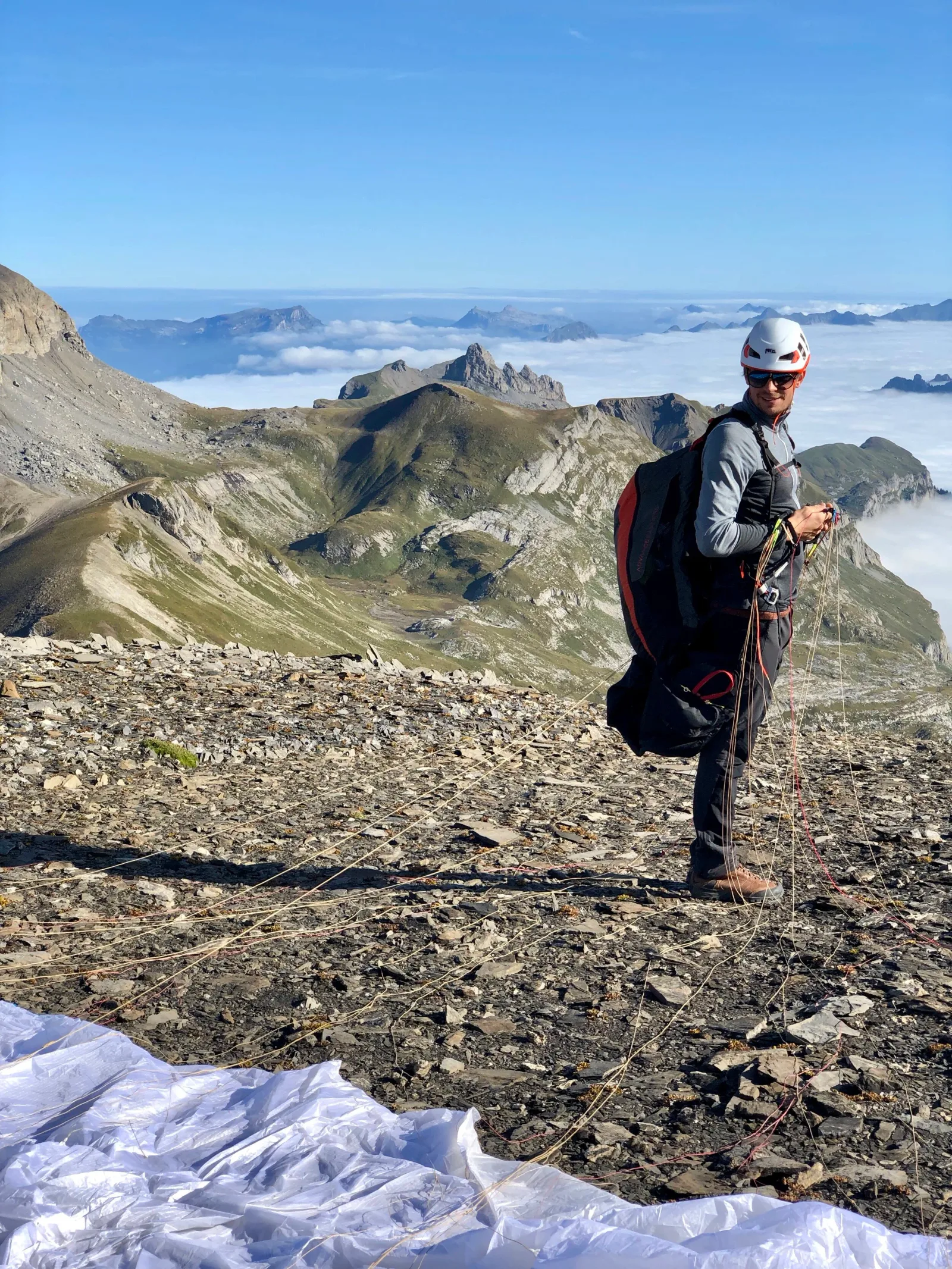
The approach
After landing, we had about an hour's walk — mostly flat, easy and incredibly beautiful, with the Lobhorn always in sight. We were so excited.
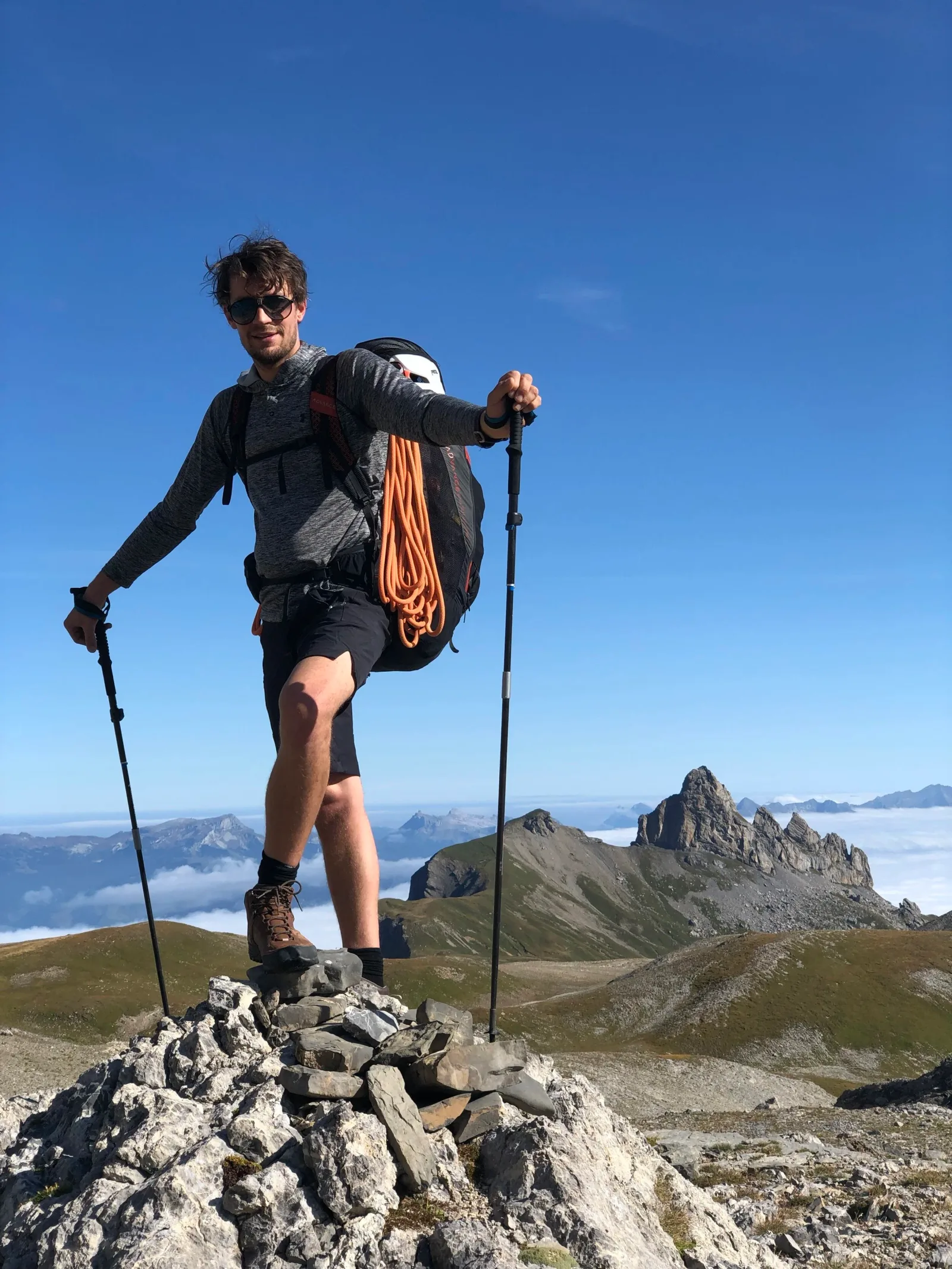
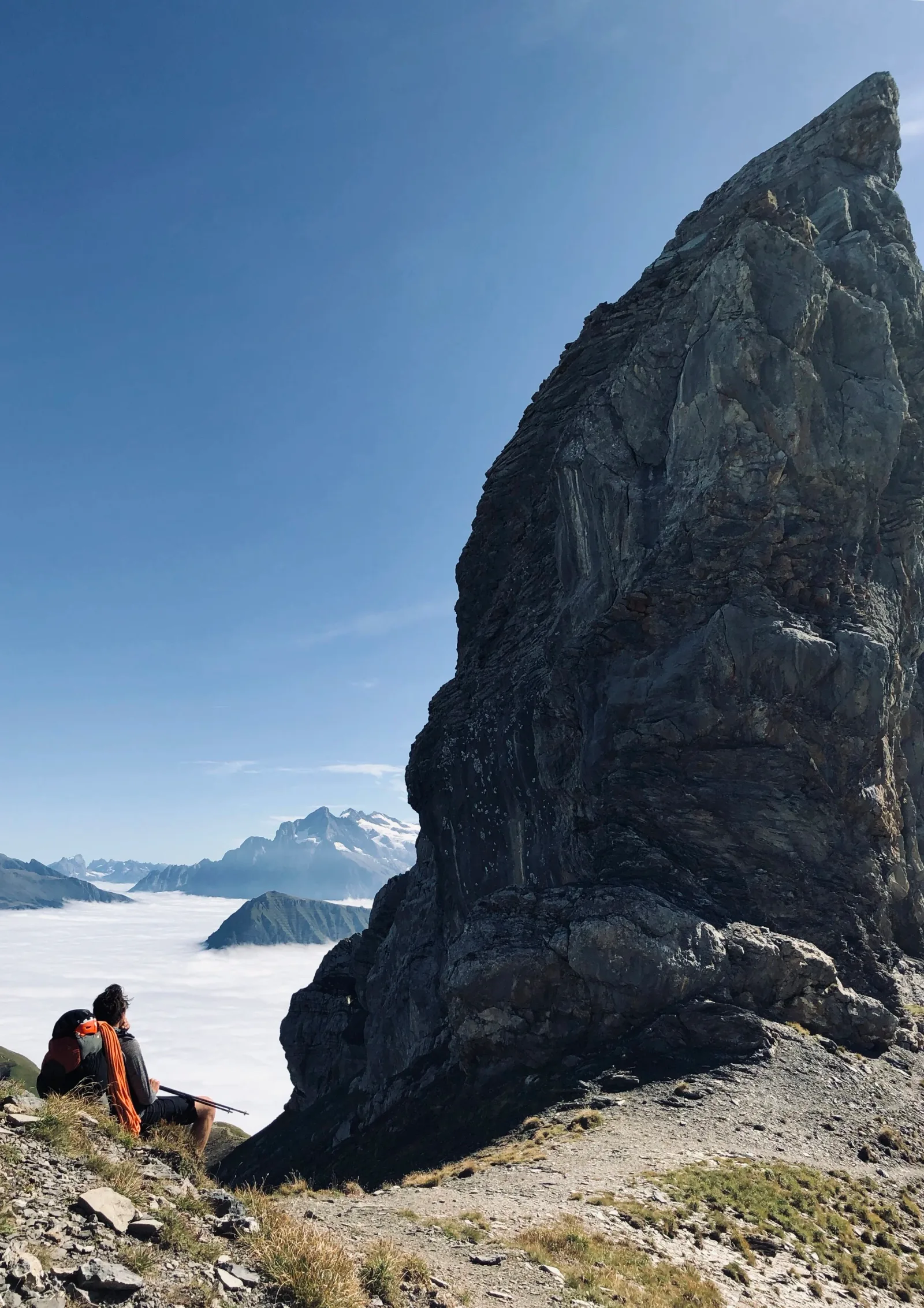
At the foot of the rock, we stashed our gliders, put on our harnesses and headed for the first pitch.
The climb
The first few pitches went really well. We were making good time and loving every minute.
Then we tried to find the way from the Kleines Lobhorn over to the Grosses Lobhorn — and ran into trouble.
Everything we'd read about this climb said the same thing: the climbing isn't hard, but you need great route-finding skills. Now we understood. The descriptions weren't clear, and we spent about an hour and a half searching for the way across, trying very hard not to fall off the rock.
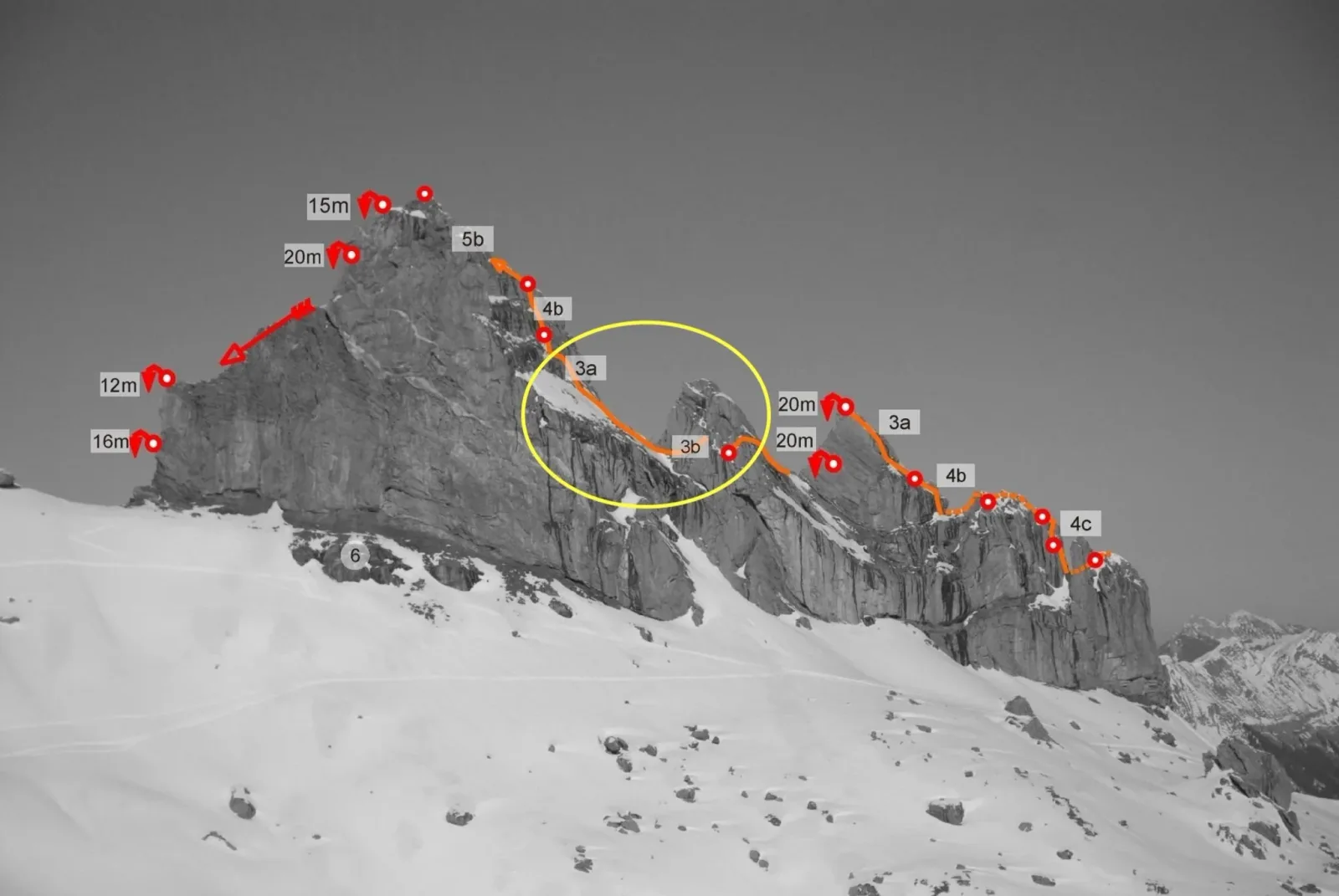
By then we were hot, sweaty and frustrated, and part of me just wanted to abseil down and go home — but there was no easy way off. In the end, the route had been in front of us the whole time. From where we stood it simply looked too exposed to cross without protection. We crossed it carefully, and we were back on track.
The clouds that didn't move
Sunburnt and tired, with plenty of climbing and abseiling still ahead, we noticed something worrying: the inversion wasn't lifting. That meant our easy 15-minute flight home might not happen — and the alternative was a four-hour walk, possibly in the dark.
The next three or four pitches were long, but with the top in sight we kept going. The final section was beautiful — a ridge you climb along with the drop falling away on both sides.
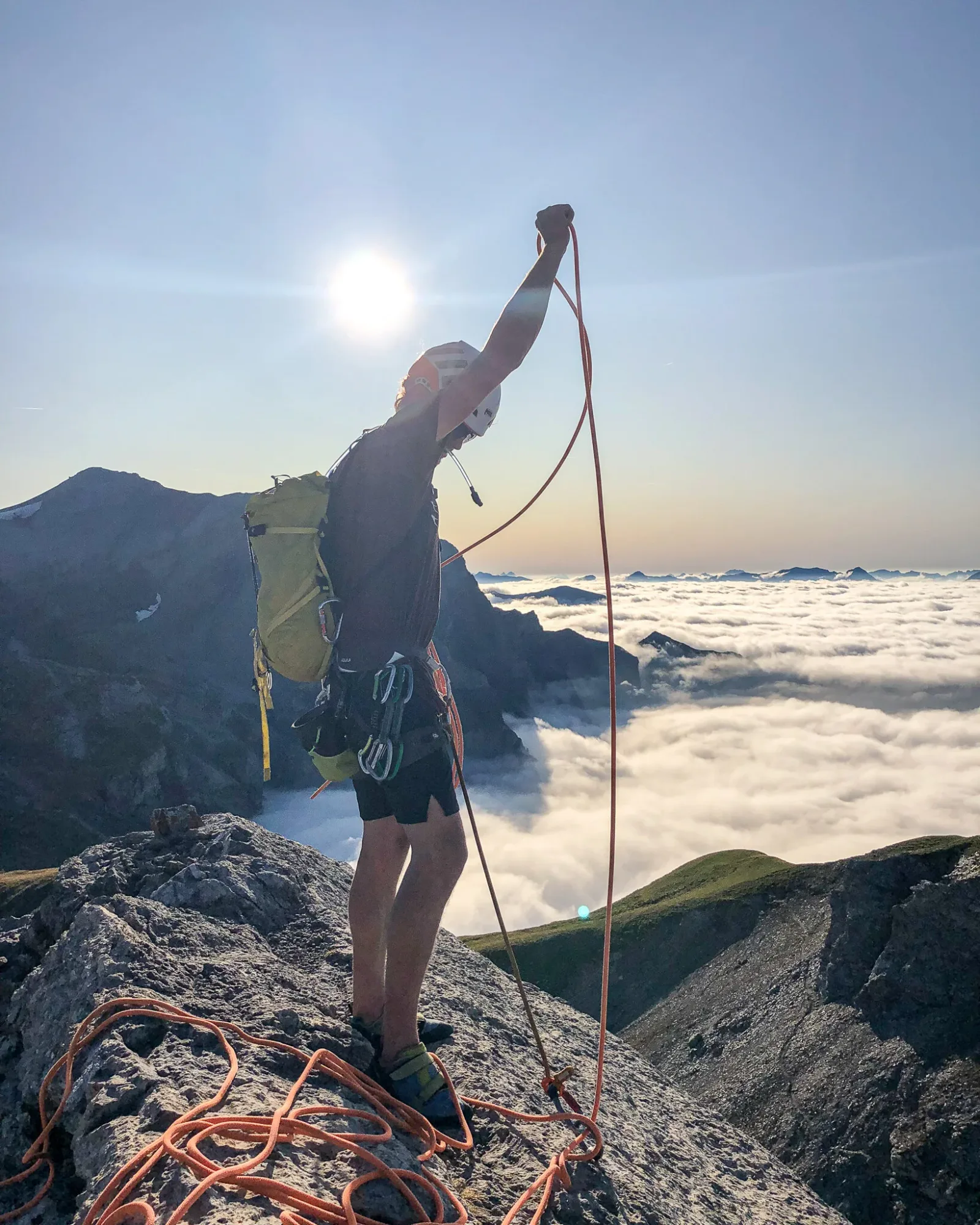
We reached the summit, burnt and exhausted, and very happy.
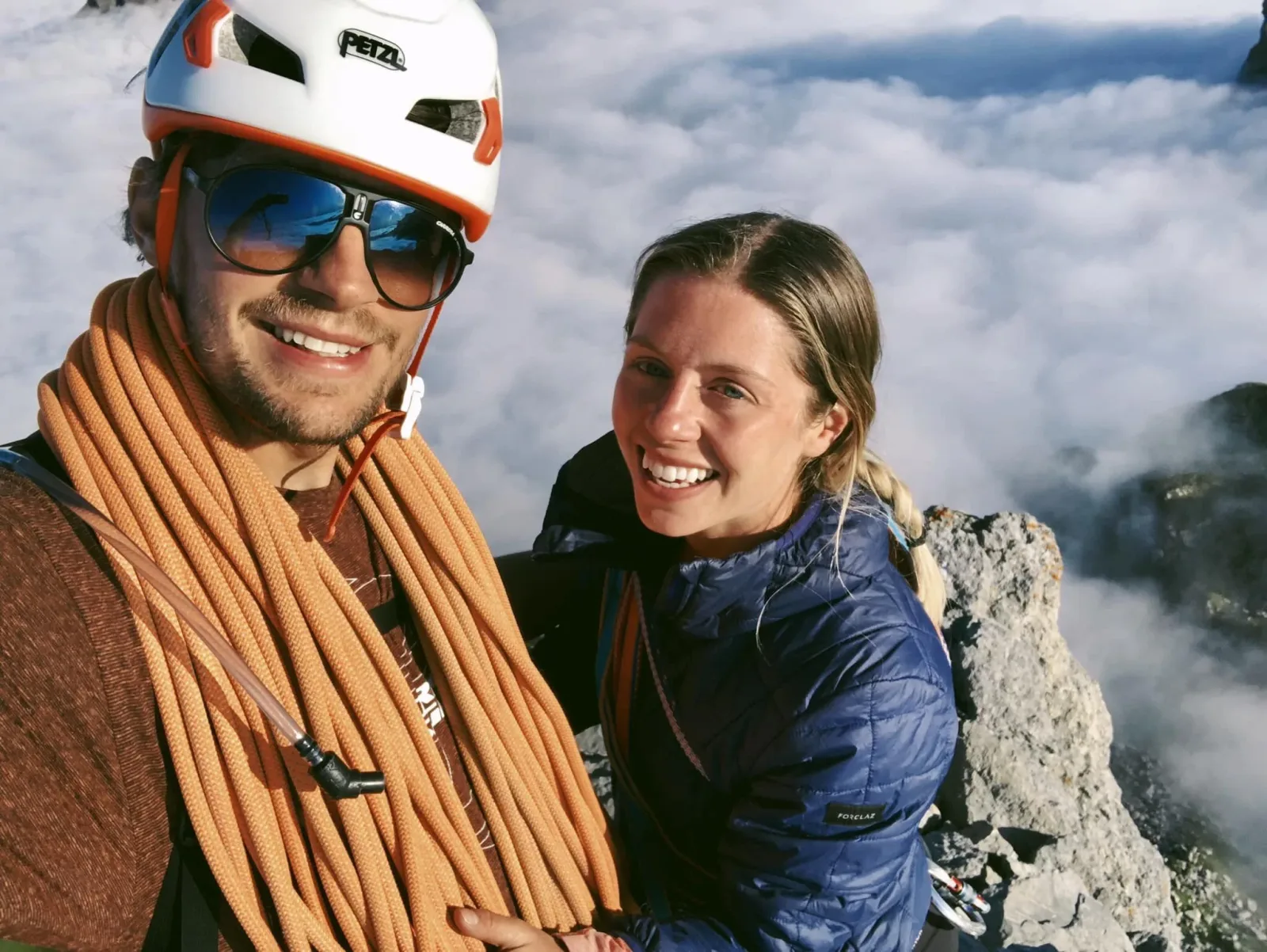
The long way home
The abseils down were straightforward, and we moved as quickly and efficiently as we could. When my feet finally touched the ground it was 19:00. We'd been on the rock for about seven hours.
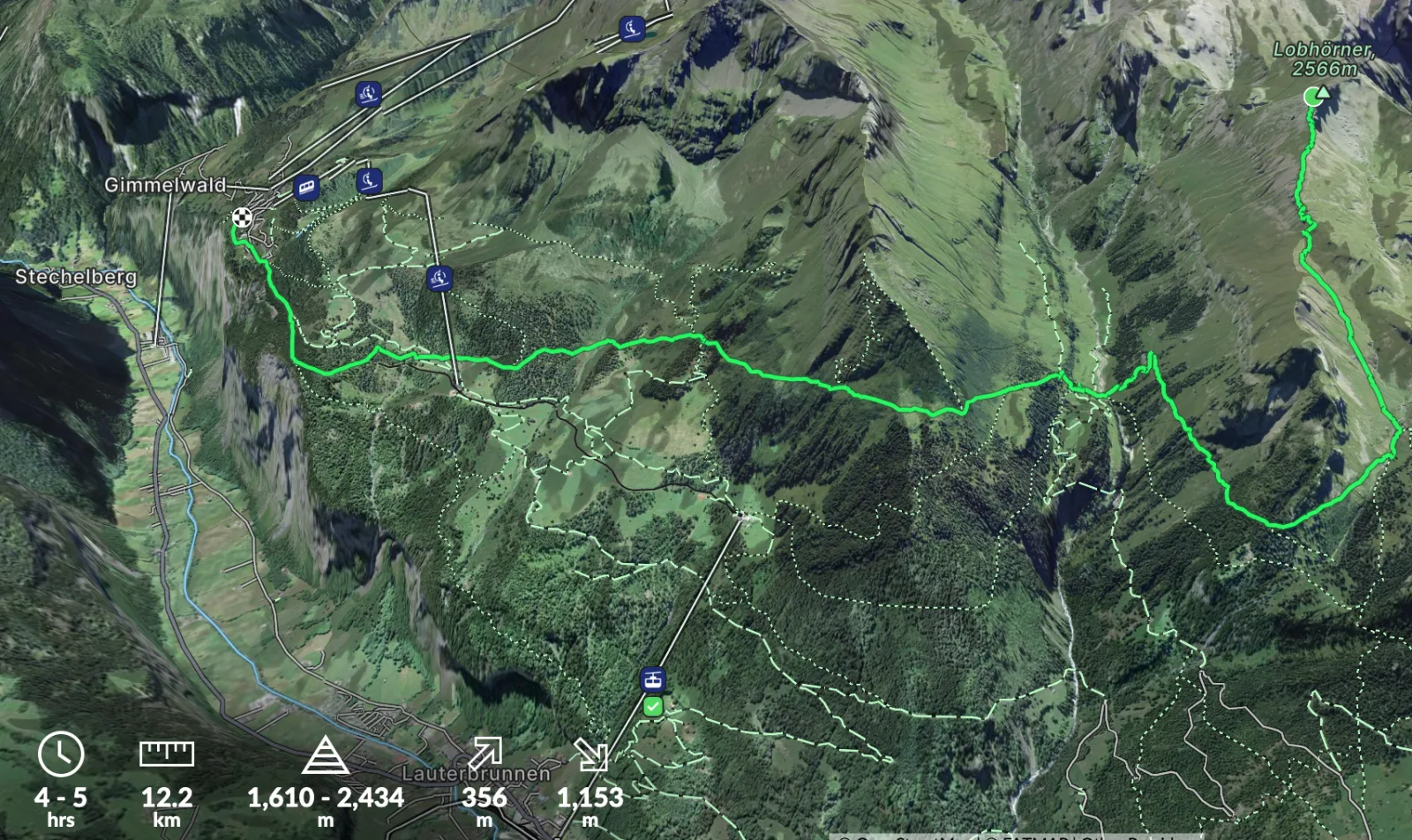
The clouds hadn't moved. No flight. We packed everything — climbing gear, ropes, harnesses and paragliders, about 13 kg each — and started the long walk home.
The first hour, down steep mountain terrain before it got fully dark, we moved fast. The next three hours we went more carefully, in pitch black, with only one phone light between us.
At 23:00 — after 13 km, 1,100 m down and 300 m up — we finally walked back into Mürren. My legs barely worked, but I couldn't stop smiling.
What I learned
That day is one of my favourite mountain memories — and it changed how I plan every day in the mountains, including the days I guide:
- Always have a walking plan home. A flight, a lift or a "quick way down" is a bonus, not the plan. Know your walk-out and how long it takes.
- Always carry a proper headtorch. One phone light for two people is not enough. Now there's a headtorch in my pack every single time.
- Set a turnaround time. Decide before you start when you'll turn back, whatever happens — and stick to it.
- Respect route-finding. "Easy climbing" doesn't mean an easy day. Allow extra time for finding the way.
- Watch the weather all day. An inversion that's beautiful in the morning can change your whole plan by the afternoon.
These are the lessons I bring to every guest's day in the mountains: careful planning, a plan B, and enough margin that the adventure stays fun.
Want to explore this area?
The Lobhorn sits above the Lobhornhütte, one of my favourite mountain huts, with a hidden lake just a short walk away. You don't need to climb the rock to enjoy it: I guide an overnight hike to the Lobhornhütte, with views of the Eiger, Mönch and Jungfrau on one side and the lakes of Brienz and Thun on the other.
Love the idea of flying in the mountains? Try Hike & Fly with a professional tandem pilot. And if you're an experienced climber hoping to climb the Lobhorn yourself, send me a message — I can arrange a certified mountain guide.
Explore with a local
Looking for another way to explore? This is an alternative experience, not a guided version of the route in this story.
Summer · Private hut hike
Lobhornhütte Overnight Hike
An overnight hiking experience with your private group—not a climbing tour.
See you in the mountains,
Laura